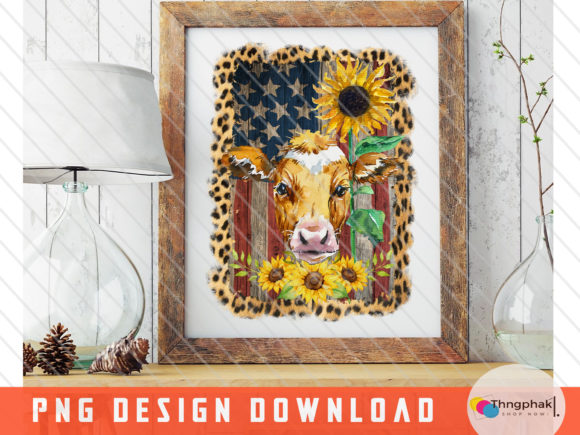
Cow Sunflower Cow Sublimation Design Review
As a designer who spends half my life troubleshooting stitch errors and the other half trying to make handmade goods look professionally finished, I don’t just buy designs because they look cute in a thumbnail. I need to know if they will actually hold up on fabric, how they translate from screen to hoop, and whether they add real value to a handmade product. Recently, I took a close look at the Cow Sunflower Cow Sublimation Design, a file marketed as a PNG for sublimation or cutting, to see if it has what it takes for serious embroidery project use. This review breaks down the visual personality of the asset, its practical application in small business workflows, and the specific scenarios where this design shines—or where you might want to proceed with caution.
First Impressions: Visual Personality and Mood
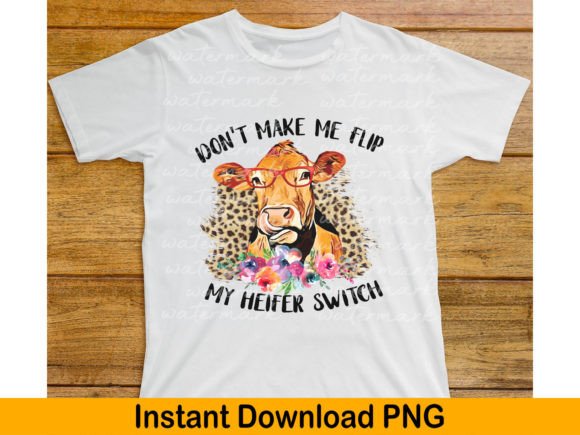
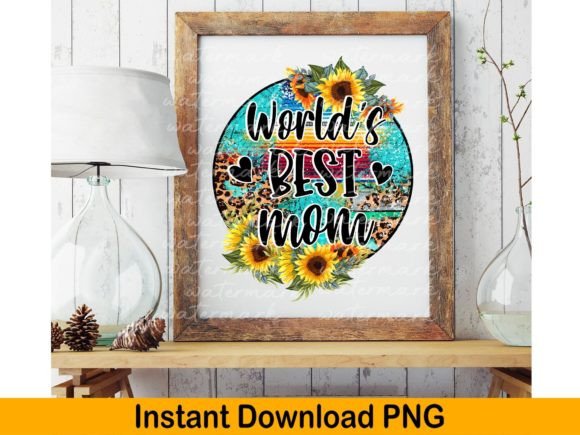
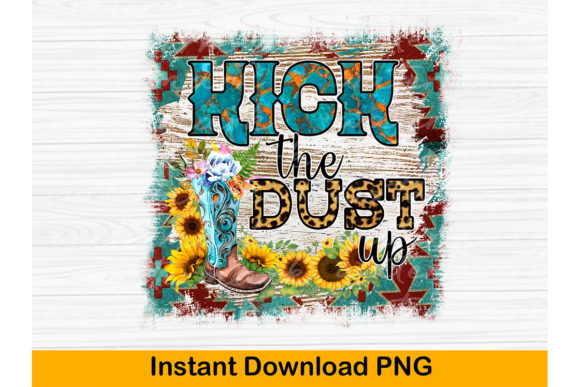
The moment you load the Cow Sunflower Cow Sublimation Design into your workspace, the theme is unmistakable. It leans heavily into rustic charm, blending the iconic imagery of a cow with the cheerful, organic lines of sunflowers. For designers targeting the farmhouse aesthetic, western wear, or country-style decor, this combination is a proven winner. The layout feels balanced, suggesting that the artist understood negative space well enough to prevent the final piece from looking cluttered.
Visually, the design exudes warmth and approachability. It isn’t trying to be edgy or minimalist; it is inviting. This makes it an excellent candidate for personalized gift items, particularly those aimed at families, rural lifestyles, or fans of agricultural themes. The inclusion of elements like a USA flag motif (as suggested by the product title variations) adds a layer of patriotic pride that resonates strongly with specific demographics, making it a smart choice for holiday embroidery projects around July 4th or Veterans Day.
Real-World Application: Where This Design Fits Best
Let’s talk about putting this design to work. In my experience, the success of any machine embroidery design depends on matching the graphic’s complexity to the right substrate. Here is how I envision the Cow Sunflower Cow Sublimation Design performing across different categories:
- Tote Bag Design: Canvas tote bags are a staple for Etsy seller inventories. The bold lines of this design would stand out beautifully against natural canvas or denim backgrounds. It creates a strong brand statement without requiring excessive stitching time.
- Sweatshirt Embroidery: Heavy cotton blends provide a stable surface for dense graphics. Placing this design on the chest of a crewneck sweatshirt offers a cozy, autumnal vibe that pairs perfectly with sunflower motifs. The contrast between the soft fabric and the structured embroidery adds tactile appeal.
- Baby Embryodery: While the theme is rustic, the imagery is gentle enough for nursery decor or baby gifts. A small, simplified version of this design on a burp cloth or onesie can feel whimsical and sweet, provided the detail level is manageable for smaller hoops.
- Embroidered Patch: If you are creating custom patches for clients, this design offers a clear focal point. The distinct shapes of the cow and flowers allow for clean edge finishes, which is crucial for professional-looking patches.
- Kitchen Towels and Aprons: For the home cook who loves farm life, this design adds personality to functional items. It works well as a central placement on aprons or as a repeated pattern element on dish towels.
When used correctly, these applications boost product value by elevating simple blanks into unique, story-driven items. Customers are often willing to pay more for something that feels curated and thematic rather than generic.
Technical Considerations and Stitch Clarity
It is important to note that the source material is described as a PNG sublimation or cut file. If you intend to use this as a direct digital embroidery file (such as .PES or .DST), you must ensure it has been properly digitized. A raster image cannot be stitched directly. However, assuming this is being used as a reference for tracing or converting into a vector-based applique design, several technical factors come into play.
Stitch Density and Detail: The effectiveness of this design relies heavily on how the fine details—like the petals of the sunflower or the features of the cow—are rendered. If the original artwork contains tiny, intricate lines, they may become muddy during the stitching process unless you use high-quality thread and proper tension settings. Always inspect small details before committing to a full production run.
Thread Colors and Contrast: To maintain visual appeal, choose thread colors that pop against your fabric. On light fabrics, darker threads will define the shapes sharply. On dark fabrics, you may need a heavy underlay or a lighter thread palette to ensure the design doesn’t get lost in the weave. Testing thread color contrast is non-negotiable for maintaining brand consistency.
Where to Exercise Caution
No design is universal, and there are specific situations where the Cow Sunflower Cow Sublimation Design might struggle:
- Small Hoop Sizes: If the design includes extensive text or very fine detailing, shrinking it down to fit a mini-hoop can result in lost clarity. Ensure the minimum size meets your machine’s resolution limits.
- Textured or Stretchy Fabrics: Knits, jerseys, and highly textured weaves can distort the shape of the design. Use a proper stabilizer to support the fabric, but even then, sharp edges may round off slightly.
- Curved Surfaces: Applying this design to caps or curved hat fronts requires careful positioning. The flat nature of the graphic might not follow the curve of the cap smoothly, leading to puckering if not anchored well.
- Dense Stitch Areas: If the design relies on large fill stitches, ensure your machine can handle the thickness without breaking needles or causing thread jams. Overly dense areas can also make the finished product stiff and uncomfortable.
Practical Designer Notes for Success
To get the most out of this asset, I recommend following a few best practices before producing your finished product:
- Test on Scrap Fabric: Always run a test stitch on the exact type of fabric you plan to sell. This reveals issues with tension, stabilizer choice, or color bleeding early.
- Check Licensing: Since this is sold as a digital asset, verify the commercial usage rights. Can you sell unlimited finished items? Are there restrictions on digital resale? Confirming licensing protects your craft business from legal issues.
- Review in Black and White: Convert the design to grayscale to check contrast levels. If the shapes merge together in black and white, they will likely lack definition in color too.
- Use Proper Stabilizer: The stability of the backing is just as important as the design itself. A good stabilizer prevents distortion and ensures the embroidery file sits flat and crisp.
Ultimately, the Cow Sunflower Cow Sublimation Design is a versatile tool for any creative entrepreneur looking to tap into the popular western and farmhouse markets. By understanding its strengths and respecting its technical limitations, you can create custom apparel and small shop products that resonate with customers and reflect a high standard of craftsmanship. Whether you are updating your Etsy listings or preparing inventory for a craft fair, this design offers a solid foundation for building a cohesive and appealing collection.