Cowboy SVG, PNG, DXF: A Designer’s Review for Embroidery Projects
As a professional designer who spends countless hours evaluating digital assets before they hit the hoop, I approach every new download with a mix of optimism and skepticism. The market is saturated with clipart, but few designs truly translate well from screen to stitch. Recently, I put Cowboy SVG, PNG, DXF through its paces to see if it holds up in real-world applications. This review isn’t just about aesthetics; it’s about practical utility for embroidery designers, small business owners, crafters, and Etsy sellers who need reliable design assets that drive sales and satisfy clients.
First Impressions and Visual Personality
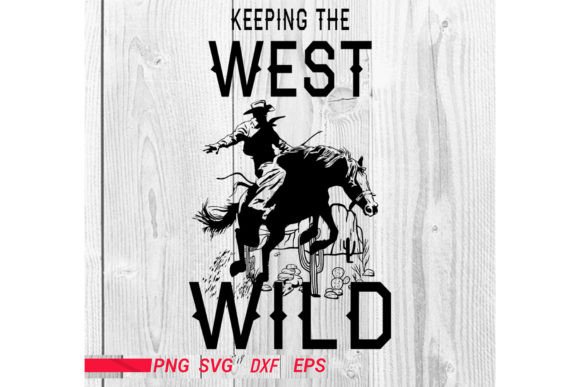
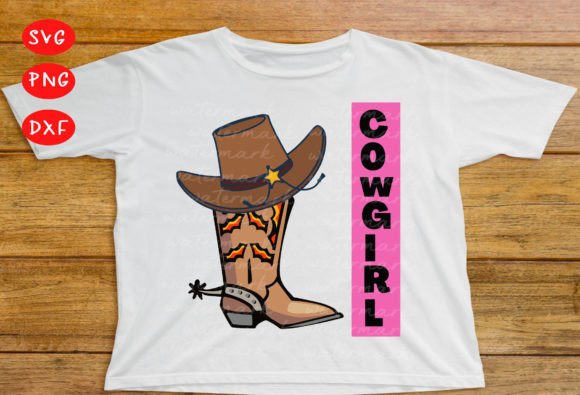
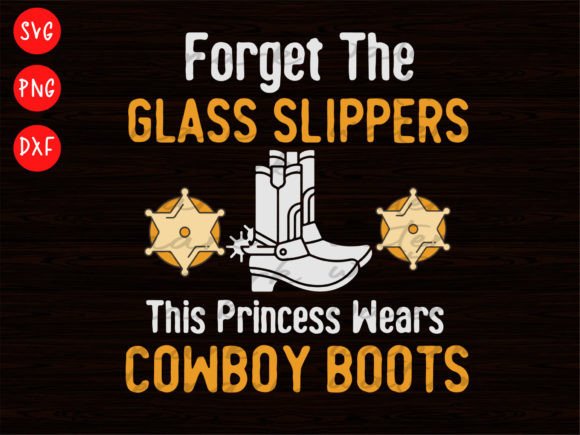
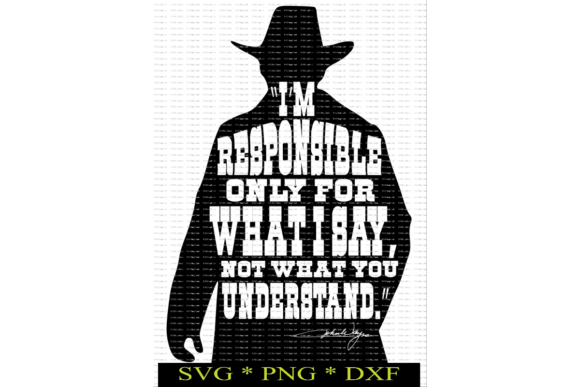
When you first load Cowboy SVG, PNG, DXF into your digitizing software or vector editor, the immediate takeaway is its clean, bold silhouette. The design captures the essence of western wear without getting bogged down in unnecessary clutter. For an embroidery project, simplicity is often the key to success, especially when dealing with complex thread interactions. The shape feels confident and timeless, making it suitable for a wide range of audiences, from hardcore rodeo enthusiasts to those who simply appreciate rustic chic.
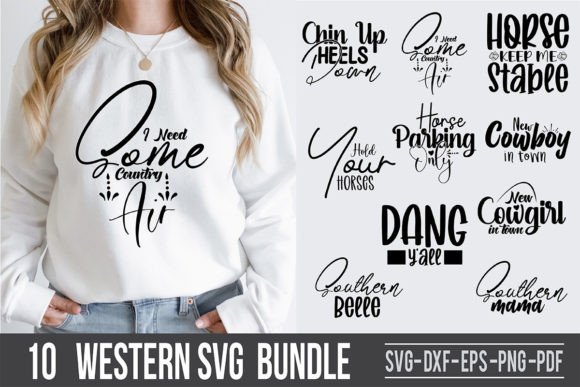
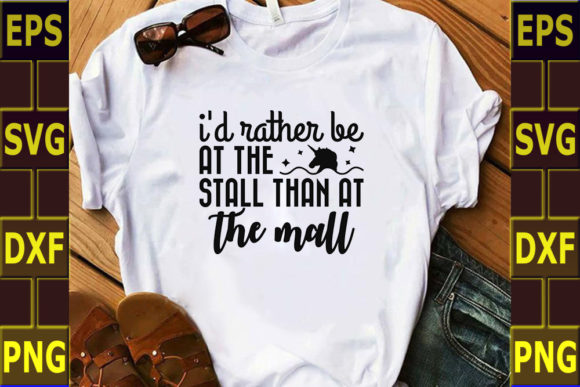
The visual personality of this asset leans towards classic Americana. It evokes a sense of rugged individualism that pairs beautifully with denim, canvas, and natural fibers. Whether you are creating a custom embroidered patch for a jacket or a personalized gift for a baby shower, the theme is versatile enough to work across multiple demographics. However, as with any T-Shirt Designs or Graphics intended for apparel, the execution matters more than the concept. The lines are sharp, which suggests good potential for clean satin stitches, provided the digitization is handled correctly.
Real-World Application: From Screen to Stitch
I tested this design with a specific use case in mind: a boutique line of handmade tote bags and sweatshirts. Here is how Cowboy SVG, PNG, DXF performed in various scenarios:
- Custom Apparel: On a heavyweight cotton sweatshirt, the design stood out brilliantly. The contrast between the dark fabric and bright thread colors highlighted the details effectively. It works exceptionally well as a chest logo or a large back print for a sweatshirt embroidery project.
- Baby Items: When scaled down for a onesie or burp cloth, the design retained its charm. It makes for a delightful baby embroidery piece that parents love for nursery decor or gender-neutral gifts. The lack of overly fine detail ensures that even at smaller sizes, the image remains recognizable.
- Accessories: I applied the file to a canvas tote bag. The sturdy fabric supported the stitch density well, resulting in a durable tote bag design that can withstand frequent washing. It also looked great on an apron, adding a touch of personality to kitchen towels or chef coats.
- Holiday Gifts: During the holiday season, this design fits perfectly into a western-themed collection. It serves as an excellent base for holiday embroidery projects, such as stockings or decorative pillows.
The versatility of this digital embroidery file extends to commercial uses. For an Etsy seller or someone running a craft business, having a design that appeals to both men and women broadens your customer base. It is not niche enough to limit sales, yet distinct enough to stand out in a crowded marketplace.
Where Caution Is Required
While the design is robust, there are specific situations where you need to exercise caution. Not every fabric or surface is created equal. If you plan to use Cowboy SVG, PNG, DXF on stretchy fabrics like spandex blends, you must ensure proper stabilization to prevent puckering. Similarly, textured fabrics such as bouclé or heavy tweed might obscure the finer details of the design, so test on scrap pieces first.
Another critical factor is hoop size. Attempting to embroider this design in a very small hoop may result in lost detail, particularly if the original vector contains intricate elements. Conversely, on curved surfaces like caps or hats, the distortion inherent in the curvature can affect the final look. Always inspect the design in a 3D mockup or on a curved form before committing to production. Additionally, if you are using thin or delicate fabrics, the weight of the thread might be too heavy, leading to fabric damage over time.
Technical Considerations for Embroidery Designers
For those of us who care about the technical side of things, several factors influence the success of this machine embroidery design. First, consider the stitch types. Depending on how the file is prepared, it may utilize a combination of satin stitch for outlines, fill stitch for solid areas, and running stitch for accents. Understanding these components helps in selecting the right thread weights and needle types.
Thread color contrast is paramount. A light-colored cowboy hat against a white shirt will disappear, whereas the same design on navy blue denim will pop. I recommend testing the design in black and white mockups to evaluate tonal balance before choosing your palette. Also, pay attention to the stitch density. If the design is too dense, it may become stiff and uncomfortable to wear. If it is too sparse, it may lack definition. Adjusting the density settings in your digitizing software can help achieve the perfect balance for your chosen fabric texture.
Stabilizer selection cannot be overlooked. A high-quality cut-away stabilizer is usually best for garments that require durability, while tear-away might suffice for temporary items like tea towels. Always confirm that your stabilizer matches the weight and stretch of your fabric to ensure a professional finish.
Impact on Product Value and Brand Consistency
Using a well-designed asset like Cowboy SVG, PNG, DXF directly impacts the perceived value of your finished product. Customers associate clean stitching and thoughtful design choices with quality. When a buyer sees a professionally executed embroidered patch or a crisp logo on a custom apparel item, it builds trust in your brand. It signals that you pay attention to detail, which is crucial for maintaining a consistent brand identity.
Furthermore, this design enhances the giftability of your products. Personalized gifts often carry emotional weight, and a design that resonates with the recipient’s interests—such as western themes—adds a layer of thoughtfulness. For commercial embroidery businesses, this means higher customer satisfaction and potentially more repeat business. It also makes for compelling marketing materials; a clear, high-resolution preview of the design can attract clicks and conversions on platforms like Etsy or Shopify.
Final Verdict and Practical Advice
In conclusion, Cowboy SVG, PNG, DXF is a strong candidate for inclusion in your library of design assets. Its clean lines, versatile theme, and broad appeal make it suitable for a wide array of embroidery projects. However, success depends on your preparation and execution.
Before launching into full production, I strongly advise the following steps:
- Test on Scrap Fabric: Always run a test stitch-out to check for tension issues, thread breaks, or alignment problems.
- Review Licensing: Ensure you have the appropriate license for commercial use if you intend to sell finished items. This is a DIGITAL product only, and the terms of use will dictate how you can leverage it.
- Check File Formats: Verify that you have the correct formats (SVG, PNG, DXF) for your specific workflow, whether you are cutting vinyl or digitizing for embroidery.
- Inspect Details: Zoom in on the vector file to ensure no unintended artifacts are present that could cause stitching errors.
By taking these precautions, you can confidently integrate Cowboy SVG, PNG, DXF into your creative process, producing high-quality handmade products that delight customers and elevate your brand. Whether you are a hobbyist maker or a seasoned small shop product developer, this design offers a reliable foundation for success.