Cowhide Alphabet Sublimation: A Designer’s Review
As a designer who spends half my day staring at stitch maps and the other half trying to convince clients that embroidery isn’t just for baseball caps, I approach every new digital asset with a mix of skepticism and hope. We have all been burned by "vector" files that turn into pixelated messes when scaled, or designs that look stunning on screen but stitch out as a tangled bird's nest. This is why I treat every embroidery file review as a stress test. Today, I am evaluating the Cowhide Alphabet Sublimation design, a piece categorized under Crafts and Graphics that promises a rugged, western aesthetic with a modern twist.
The product description highlights a transparent background PNG at 300 dpi, noting that SVG files cannot be created. For those of us in the craft business, this limitation raises immediate questions about scalability and precision. My goal here is not just to tell you what it looks like, but to walk you through how it behaves when it hits the hoop, how it translates to a finished product, and whether it deserves a spot in your Etsy seller inventory or personal stash.
First Impressions: The Western Vibe Meets Modern Typography
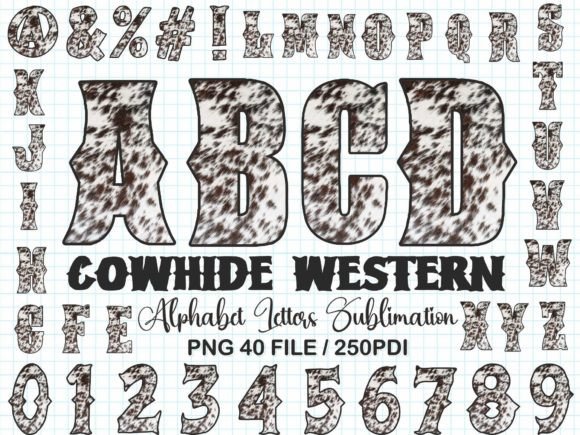
When you first load the Cowhide Alphabet Sublimation design into your digitizing software, the visual personality jumps off the screen. It isn’t your standard, clean sans-serif font. Instead, it carries the texture and irregularity of cowhide leather, blended with a doodle-like, hand-drawn quality. The mood is instantly rustic yet playful. It screams "boutique handmade," which is exactly where the market is heading right now.
For an embroidery project, this specific aesthetic is powerful. It works because it mimics the imperfections of real leather patches, which adds a layer of perceived value to the final item. When I look at the layout, I see strong potential for personalized gifts. The letters are bold enough to be readable from a distance but detailed enough to catch the eye up close. It feels less like a corporate logo and more like a stamp of authenticity, which resonates deeply with customers looking for unique, artisanal goods.
Real-World Application: Where This Design Shines
I recently imagined using this design for a batch of custom embroidered tote bags intended for a local farmers' market booth. The idea was to offer personalized names in the cowhide style. Here is how I think it would perform in that scenario:
- Tote Bag Embellishment: Canvas totes are a staple for custom apparel enthusiasts. The cowhide theme pairs beautifully with natural fabrics like jute, heavy cotton, or denim. The design acts as a focal point, drawing attention without overwhelming the bag. It transforms a plain tote into a statement piece suitable for small shop product lines.
- Sweatshirt Embroidery: Think fall and winter collections. The rugged texture of the font complements the cozy, thick nature of fleece or French terry sweatshirts. It gives a vintage, worn-in look that is highly desirable in streetwear-inspired fashion. This is perfect for holiday embroidery campaigns targeting teens and young adults.
- Baby Embroidery & Nursery Decor: Surprisingly, this font has a softer side. When used in pastel thread colors on white baby onesies or muslin blankets, the "doodle" aspect of the alphabet becomes charming rather than tough. It fits perfectly into the "western nursery" trend that has taken over social media feeds. Parents love items that feel curated and thematic.
- Embroidered Patch Projects: If you are creating detachable patches for jackets or backpacks, this design provides excellent visual weight. It stands up well against busy backgrounds, making it ideal for commercial embroidery work where brand recognition is key.
Technical Considerations: Stitching and Stability
Here is where we need to get practical. The product notes mention that SVG files cannot be created due to technical constraints. As a designer, I advise you to check the original source for any available vector alternatives before purchasing. However, relying on a high-resolution PNG means you are working with raster data. You must be careful when scaling. While the 300 dpi resolution is good, stretching a raster image too far can result in jagged edges that translate poorly into satin stitch outlines.
When planning your stitch density, pay close attention to the internal details of the letters. Cowhide textures often involve small, intricate patterns. If your machine struggles with fine detail, these tiny elements might fill in during stitching, losing the texture effect. I recommend testing the design on scrap fabric first. Check if the fill stitch areas are too dense, which could cause puckering on lightweight fabrics.
Another critical factor is the choice of thread colors. To capture the cowhide essence, you will likely want to use variegated threads or earth tones like tan, brown, and cream. On dark fabric, consider using a light-colored backing or applique base to ensure the design pops. Conversely, on light fabric, darker threads will provide better contrast. Always inspect small details in black and white mockups to ensure legibility isn't compromised by color blending.
Pitfalls to Avoid: Where Caution is Needed
No design is perfect, and Cowhide Alphabet Sublimation has its limits. There are several scenarios where this design might struggle:
- Small Hoop Sizes: If you are embroidering on tiny items like socks or miniature hats, the detail level of the cowhide pattern may become muddy. Stick to larger hoops (4x4 inches or bigger) to preserve the integrity of the letter shapes.
- Stretchy Fabrics: Jersey knits and thin synthetics can distort complex designs. The irregular outline of the cowhide font requires stability. Use a proper stabilizer—perhaps a cut-away for stretchy materials—to prevent shifting during stitching.
- Curved Surfaces: While caps are popular, the flat, graphic nature of this design might not follow the curve of a hat brim naturally. It works best on flat panels or structured crowns where the fabric remains taut.
- Dense Stitch Areas: Avoid placing this design over existing seams or thick layers of fabric. The added bulk from the textured stitches could make the garment uncomfortable or cause the needle to break.
Value Proposition for Sellers and Makers
From a business perspective, Cowhide Alphabet Sublimation offers high versatility. It bridges the gap between traditional western wear and modern minimalist decor. For Etsy sellers, this design allows for rapid customization. You can offer personalization services quickly, increasing your average order value. The "transparent background" feature makes it easy to overlay designs on various product mockups, saving you time on printable mockup creation.
Furthermore, the aesthetic builds trust. Customers associate textured, hand-drawn styles with quality craftsmanship. Even if the design is machine-made, the visual language suggests human care and attention to detail. This is crucial for brand consistency in a crowded marketplace. Whether you are selling digital embroidery files or physical finished products, this asset adds a premium feel to your offerings.
Final Verdict
I recommend Cowhide Alphabet Sublimation for designers who want to add character and warmth to their projects. It is particularly strong for apparel decorators focusing on casual, rustic, or western themes. However, always verify the licensing terms before selling finished items. Ensure you understand the difference between personal use and commercial rights. Test thoroughly on your specific fabric types, and remember that while the digital file is versatile, the final result depends on your machine settings and material choices.
If you are looking to expand your range of design assets with something that feels both timeless and trendy, this is a solid addition. It handles the balance between detail and readability well, provided you respect its limitations regarding scale and fabric type. Happy stitching!