Mexico State Embroidery Design Review
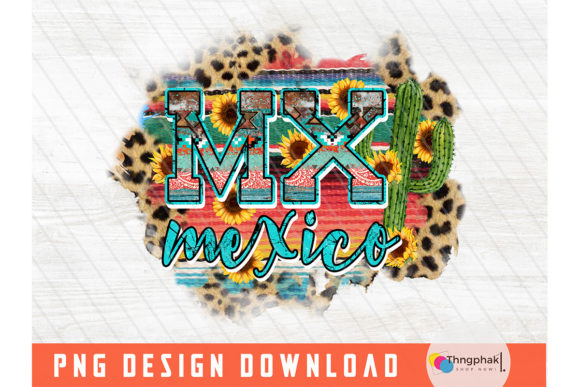
When I pull a new digital file into my hoop for testing, I am looking for more than just a pretty picture. I need to know if it will hold up on the machine, how it translates from screen to fabric, and whether it adds genuine value to a handmade product. Today, I am evaluating the Mexico State design, a graphic that promises a distinct Western aesthetic with elements of cowhide, serape patterns, and cactus motifs. As an experienced designer who frequently produces assets for small businesses and craft fairs, I want to break down exactly how this piece performs in real-world embroidery scenarios.
First Impressions and Visual Personality
The moment you load the Mexico State PNG into your digitizing software or preview window, the mood is immediately established. This is not a subtle, minimalist design; it is bold, textural, and culturally rich. The combination of cowhide textures and vibrant serape stripes creates a dynamic visual weight that demands attention. For a designer, this presents both an opportunity and a challenge: can the machine stitches accurately replicate the organic chaos of hide patterns and the sharp lines of geometric serapes?
Visually, the design feels grounded in a rustic, southwestern vibe. It screams "craft fair bestseller" but in a sophisticated way. The inclusion of the cactus element anchors the piece in nature, preventing it from feeling too industrial. When I look at the layout, I see a design that naturally fits into larger format projects. It has enough detail to reward close inspection but enough negative space (or implied space) to remain legible from a distance. This balance is crucial for any machine embroidery design intended for retail.
Real-World Application: Where This Design Shines
I have spent considerable time thinking about where Mexico State would sit on a finished product. My first instinct was to test it on a heavyweight canvas tote bag. Why? Because the cowhide texture pairs beautifully with the ruggedness of canvas. If you are an Etsy seller looking to expand your catalog, this design could be the centerpiece of a "Western Home" collection. Imagine a set of embroidered tea towels or kitchen aprons featuring this motif. The durability of the stitching would match the utility of the item.
Beyond home goods, this design excels in apparel. A sweatshirt embroidery project using this file would look fantastic on the back yoke or across the chest of a crewneck. The boldness of the cowhide and serape elements stands up well against the soft, textured surface of fleece or cotton blends. For custom apparel decorators targeting clients who love country-western styles or bohemian aesthetics, this is a high-value asset. It transforms a basic garment into a statement piece.
I also see strong potential in baby items, though with careful execution. A onesie or burp cloth featuring a simplified version of this theme could be a hit at boutique baby showers. However, the key here is scale. You must ensure the details do not become muddy when reduced. For embroidered patches, this design offers excellent definition. The contrast between the different pattern zones allows for clear separation of stitch types, making the patch pop against denim jackets or backpacks.
Specific Product Opportunities
- Holiday Gifts: This design fits perfectly into autumn and winter gifting cycles, particularly around holidays that celebrate heritage or family gatherings.
- Wedding Gifts: For couples with a southwestern wedding theme, custom pillows or guest book covers using this design add a personalized touch.
- Craft Business Items: As a small shop product, this design allows for quick turnaround on popular items like caps and hats, provided the curvature is managed correctly.
Technical Considerations and Stitching Challenges
No review is complete without addressing the technical realities of production. The Mexico State file is described as a high-resolution PNG sent as a finished graphic. While this ensures clarity in digital mockups, it does not automatically guarantee ease of stitching. The intricate details within the cowhide and serape sections require thoughtful digitization. If you are using pre-digitized files, you must check the stitch density. Dense areas can cause puckering, especially on lighter fabrics.
One area to watch closely is the transition between different textures. Mixing fill stitches for the solid colors with running stitches for outlines can create a bulky result if not balanced. I recommend testing this design on scrap fabric before committing to a final product. Pay attention to how the thread colors interact with the background. On dark fabric, the lighter serape colors might get lost unless you use a high-quality underlay or a contrasting backing stabilizer.
Furthermore, consider the hoop size limitations. If the design is large, you may need to reposition the hoop multiple times, which increases the risk of registration errors. For curved surfaces like caps, the flat geometry of the original PNG must be adjusted. Distortion can occur if the design is not properly warped during the digitizing process. Always inspect small details—like the tips of the cactus spines—to ensure they are not so fine that they break during stitching.
Materials and Setup
- Stabilizer Selection: Use a cut-away stabilizer for stretchy fabrics like jersey knits to prevent distortion over time. For woven cottons, a tear-away may suffice for lighter designs.
- Thread Colors: Choose threads that enhance the contrast. Metallic threads might add a nice sheen to the cowhide sections, but standard polyester threads offer better durability for frequent washing.
- Fabric Texture: Avoid highly textured fabrics like bouclé or heavy tweed, as they can obscure the finer details of the serape pattern.
Commercial Viability and Brand Consistency
For those selling this as a digital embroidery file or using it to create physical goods, the market appeal is clear. Consumers are drawn to designs that tell a story, and the Mexico State motif taps into a popular cultural aesthetic. It feels authentic rather than generic. This authenticity builds customer trust. When a buyer sees a well-executed handmade product with clear, crisp stitching, they perceive higher value.
However, brand consistency is key. If you are building a boutique brand, ensure that the style of this design aligns with your other offerings. It works best in collections that feature natural materials, earth tones, and rustic themes. Using it alongside ultra-modern, neon-heavy designs might confuse your target audience. Instead, pair it with complementary graphics like leather textures, floral western elements, or rustic typography.
Finally, always confirm licensing terms before producing commercial items. Even if the file is sold as a finished product, the rights to reproduce it for resale vary by creator. Protect your business by understanding these boundaries. This diligence separates professional creative entrepreneurs from hobbyists.
Final Verdict
The Mexico State design is a versatile, visually striking asset that brings warmth and character to any embroidery project. Its strength lies in its ability to blend traditional patterns with modern graphic sensibilities. Whether you are creating a personalized gift for a friend or stocking shelves for your craft business, this design offers a reliable foundation for success. Just remember to test thoroughly, choose your materials wisely, and let the quality of your stitching speak for itself. With proper execution, this piece can elevate your work from simple decoration to wearable art.