Texas State Cowhide Serape Cactus Review
When I sit down to evaluate a new design asset for my embroidery studio, I am rarely looking for just "pretty." I am looking for viability. Can this design hold up on a sweatshirt? Will the details get lost in the stitching? Does it have enough personality to drive sales for an Etsy shop or satisfy a client’s specific vision? Recently, I pulled Texas State Cowhide Serape Cactus into my workflow to test its potential for real-world application. As a digital graphic categorized under Crafts and Graphics, it presents a unique challenge: translating a high-resolution PNG into a tactile, stitched reality.
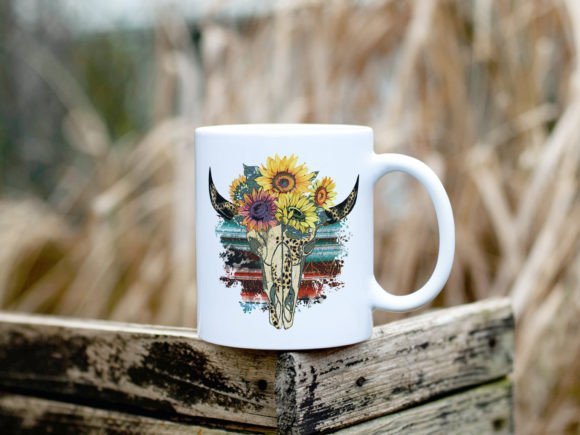
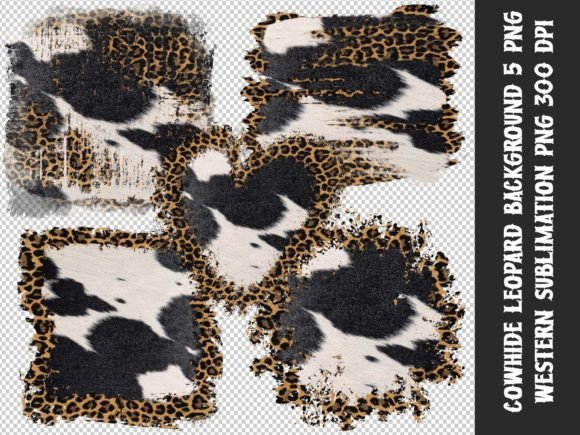
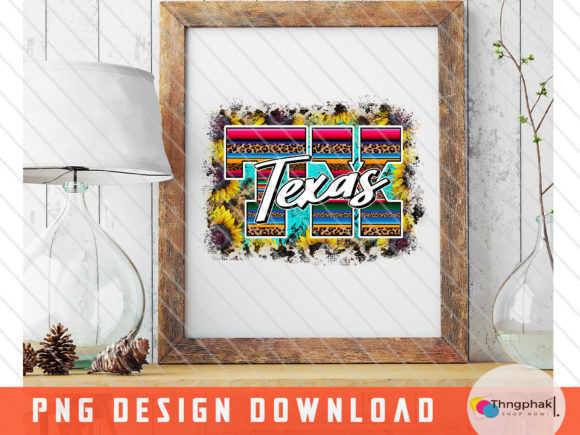
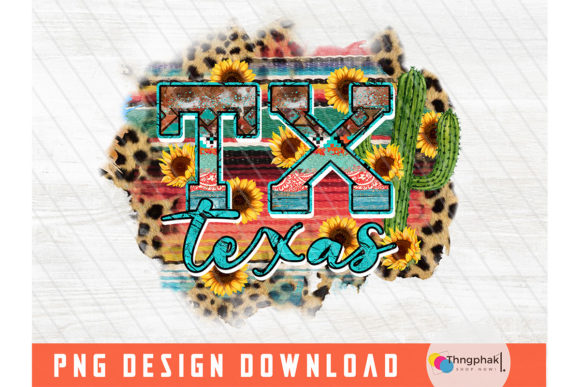
The first impression of Texas State Cowhide Serape Cactus is one of bold, rustic charm. The visual personality leans heavily into Western aesthetics, blending the organic texture of cowhide with the vibrant, geometric patterns of a serape and the iconic silhouette of a cactus. It feels grounded yet festive. For a designer, this combination suggests immediate versatility. It does not scream "corporate" nor does it feel overly delicate. Instead, it commands attention, making it an ideal candidate for handmade products that need to stand out on a craft fair table or in a crowded online marketplace.
Real-World Application: From Screen to Stitch
To truly understand how this design performs, we must move beyond the screen and imagine it on fabric. Let us look at a practical scenario: preparing a custom embroidered tote bag for a boutique client who wants a strong Texas-themed statement piece. Texas State Cowhide Serape Cactus fits this brief perfectly. The central cactus element provides a clear focal point, while the surrounding cowhide and serape textures add depth that can be simulated through thread choice and stitch direction.
In this context, the design works exceptionally well as a tote bag design. The sturdy canvas material supports the visual weight of the image without warping. However, the same design could easily transition to sweatshirt embroidery for a holiday gift or a custom apparel line targeting outdoor enthusiasts. The rugged theme resonates with audiences who appreciate artisanal quality and regional pride. When you are an Etsy seller or running a small shop product line, having designs that evoke a specific lifestyle—like the adventurous, relaxed vibe of the West—is crucial for conversion.
Beyond bags and shirts, consider its use in home decor. A pillow cover featuring this motif brings warmth to a living room, while a kitchen towel version adds a touch of whimsy to a farmhouse-style kitchen. The design’s adaptability extends to embroidered patches that can be sewn onto denim jackets or backpacks, offering a customizable accessory for younger demographics. Even baby embroidery items, such as burp cloths or milestone blankets, could benefit from the softer, rounded interpretation of the cactus shape, provided the color palette is adjusted to be more muted.
Technical Considerations and Fabric Interactions
While the visual appeal is strong, every experienced designer knows that a beautiful raster image does not automatically translate to a flawless machine embroidery design. Because Texas State Cowhide Serape Cactus is delivered as a finished PNG file rather than a native embroidery format, the burden of digitization falls on you. This requires careful planning regarding stitch density, hoop size, and stabilizer selection.
The intricate details of the serape pattern pose a specific risk. If the digitized version uses too much fill stitch without adequate spacing, the fabric may pucker or the threads may clump. Conversely, if the detail is simplified too much, the design loses its character. You must decide whether to interpret the cowhide texture using varied running stitch directions or satin stitch outlines to mimic the hide’s grain. This decision directly impacts the final aesthetic and the durability of the finished product.
Fabric choice is equally critical. This design thrives on natural fibers like cotton, linen, or heavy-weight blends. Avoid using it on highly textured fabrics like bouclé or thin, stretchy knits unless you are using a robust tear-away stabilizer. On dark fabrics, the contrast of the serape colors will pop, but you may need to add a light underlay or base layer to prevent the dark background from showing through lighter threads. Always test your thread colors against your chosen fabric before committing to a full production run.
Where Caution Is Required
There are specific scenarios where Texas State Cowhide Serape Cactus requires careful handling. Small hoop sizes are particularly tricky; if the design is scaled down too far, the fine lines of the cactus spines and the geometric edges of the serape may merge into an indistinguishable blob. Similarly, applying this design to curved surfaces like caps or hats demands precise hooping techniques to prevent distortion. The corners of the design should be inspected closely when digitizing, as sharp angles can sometimes pull or gap if not anchored properly.
Furthermore, consider the end-use of the garment. Items that require frequent washing, such as aprons or workwear, need a design with robust stitch anchoring. Loose decorative accents or overly dense areas may degrade faster than simpler motifs. If you are creating a personalized gift for someone who values longevity, ensure your digitization process prioritizes stability over pure artistic flair.
Strategic Value for Creators and Sellers
For creative entrepreneurs, the value of a design like Texas State Cowhide Serape Cactus lies in its ability to convey professionalism and brand consistency. When customers see a clean, well-executed embroidery project, their trust in the maker increases. This design, with its distinct Western flair, helps establish a niche identity. Whether you are selling holiday embroidery sets or year-round commercial embroidery services, having assets that resonate with specific cultural themes allows you to target marketing efforts more effectively.
It also enhances the perceived value of your handmade product. A simple plain tote becomes a premium item when adorned with a complex, thematic design like this. The visual complexity suggests effort and skill, which justifies a higher price point. Additionally, for those selling design assets or printable mockups, this image serves as a powerful preview. It demonstrates how a concept can look in three dimensions, helping buyers visualize the potential of their own projects.
Practical Designer Notes for Implementation
Before incorporating Texas State Cowhide Serape Cactus into your commercial workflow, follow these essential steps to ensure success:
- Test on Scrap Fabric: Never assume a design will behave as expected. Stitch it out on the exact type of fabric you plan to use to check for puckering, thread breaks, or color bleeding.
- Check Contrast in Black and White: Convert your mockup to grayscale. If the elements blend together without color, they will likely get lost in the stitching. Ensure there is sufficient tonal separation between the cactus, cowhide, and serape sections.
- Review Stitch Density: Analyze the digitized file (if available) or plan your stitch types carefully. Avoid excessive density in small areas to maintain fabric integrity.
- Confirm Licensing: Since this is a digital download, verify the license terms. Are you allowed to sell physical items made from this design? Can you use it in multiple commercial projects? Clear licensing protects your business from legal issues.
- Inspect Small Details: Zoom in on the cactus spines and serape patterns. Determine if these details need to be simplified for smaller hoop sizes or if they can remain intricate for larger projects.
- Select Proper Stabilizer: Match your stabilizer to your fabric. Heavy fabrics may need cut-away stabilizer for permanence, while light fabrics might only require tear-away support during stitching.
By approaching Texas State Cowhide Serape Cactus with these practical considerations in mind, you transform a simple graphic into a versatile tool for your embroidery business. It offers a perfect balance of style and substance, ready to elevate your next embroidery project from a hobbyist attempt to a professional-grade creation.